IN STOCK
VIDEO
SERVO CNC
SERVO CNC · 2020
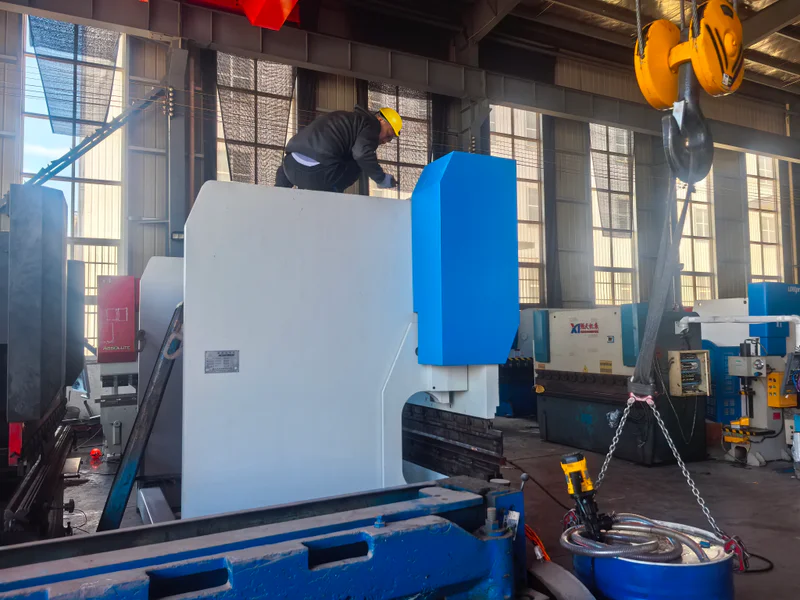
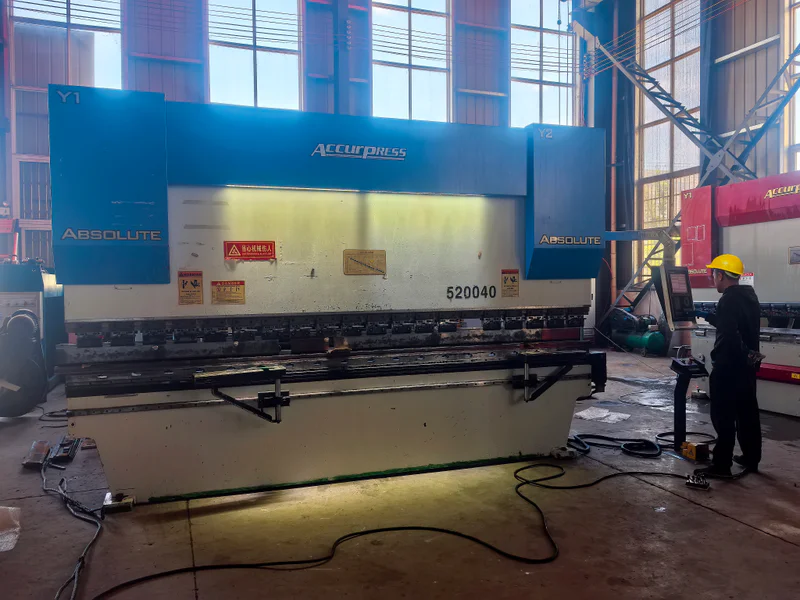
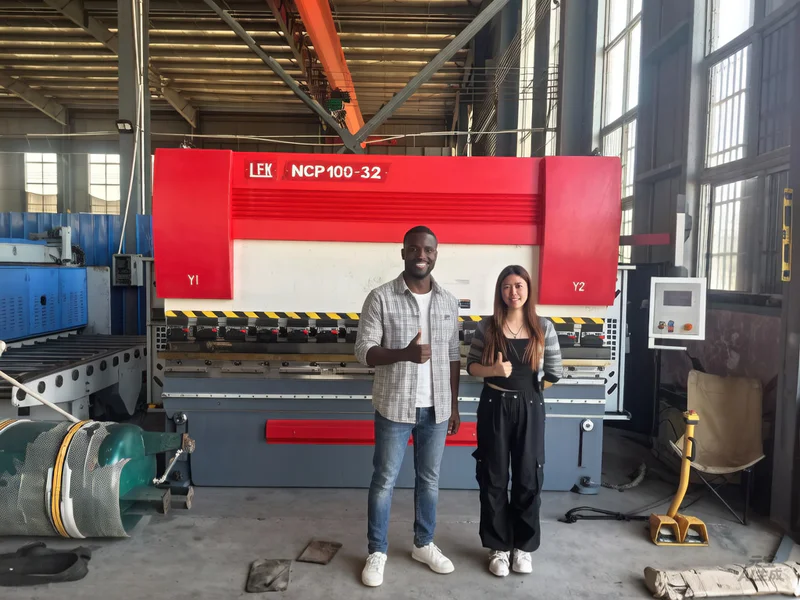
200T × 6000 Press Brake
200 Ton
6000 mm
DA-66T
Year 2020
You Don't Have to Take Risks When Buying a Used Press Brake
You check machine condition, watch real working videos, and confirm everything before shipment — so what arrives is exactly what you agreed to buy.
You can ask questions, compare options, and decide at your own pace.
Condition, performance, installation, what happens after arrival — these worries are real, especially when buying used equipment from overseas.
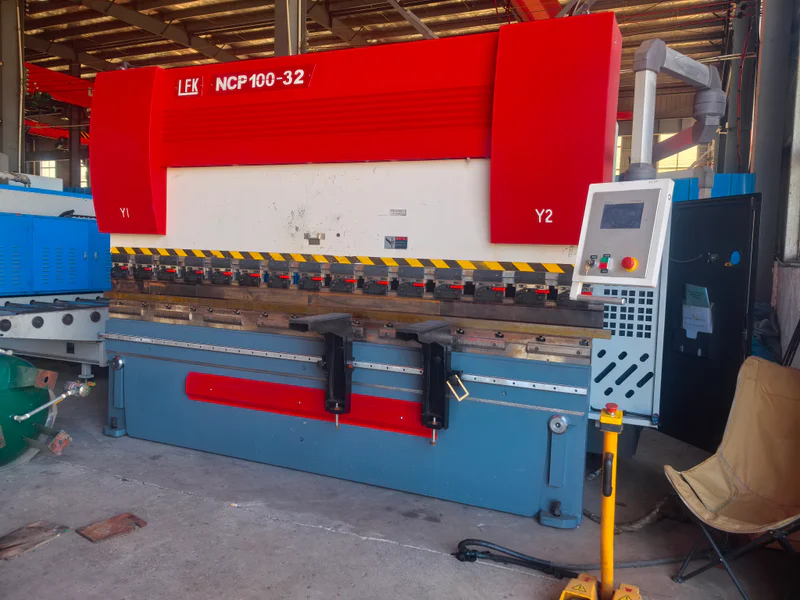
Photos and specs rarely tell the full story. The machine that arrives might look nothing like what was promised.
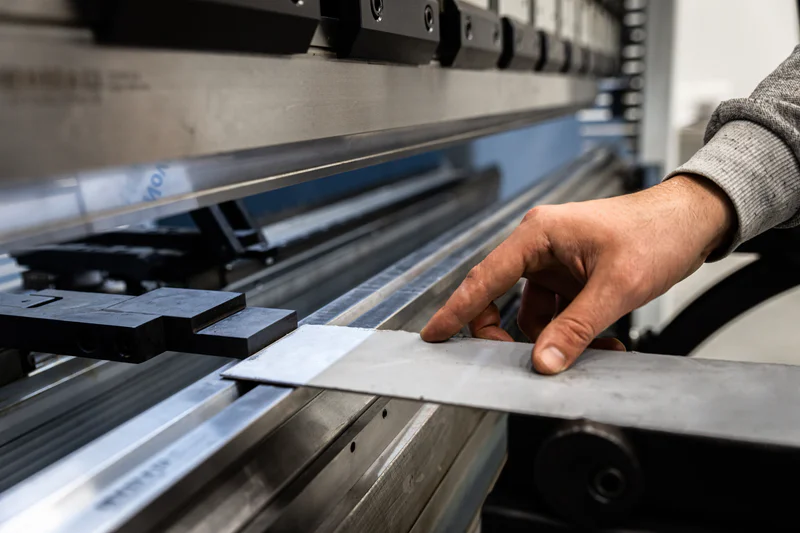
You need consistent bending — not rework, delays, and frustrated operators. How do you tell the difference?
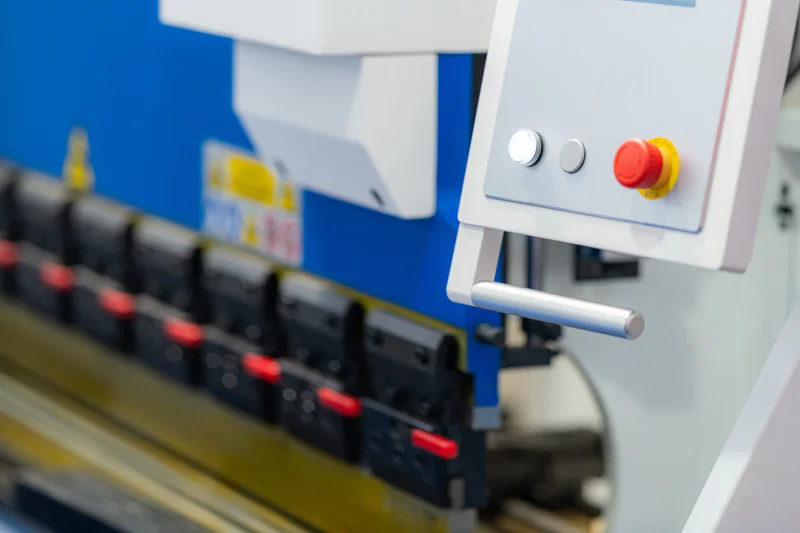
The machine arrives, and now what? Without setup guidance, days turn into weeks of lost production.
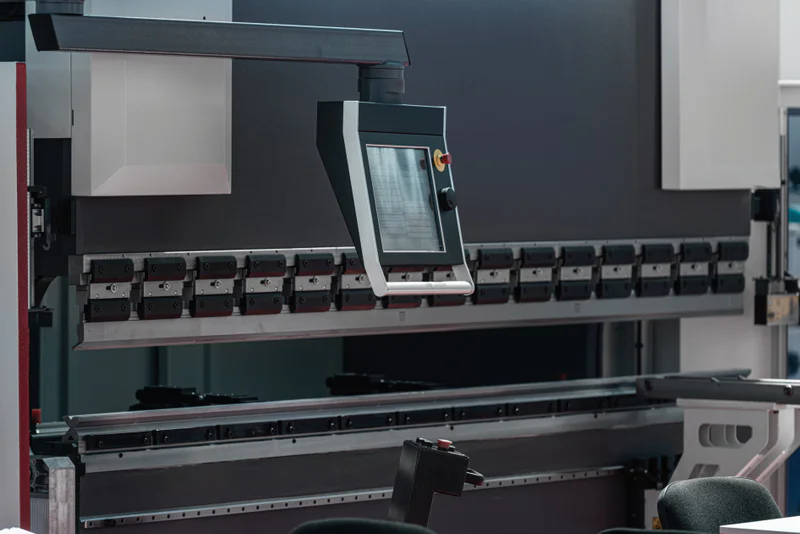
Once the money's transferred, will the supplier still answer? Being ghosted right when you need help most.
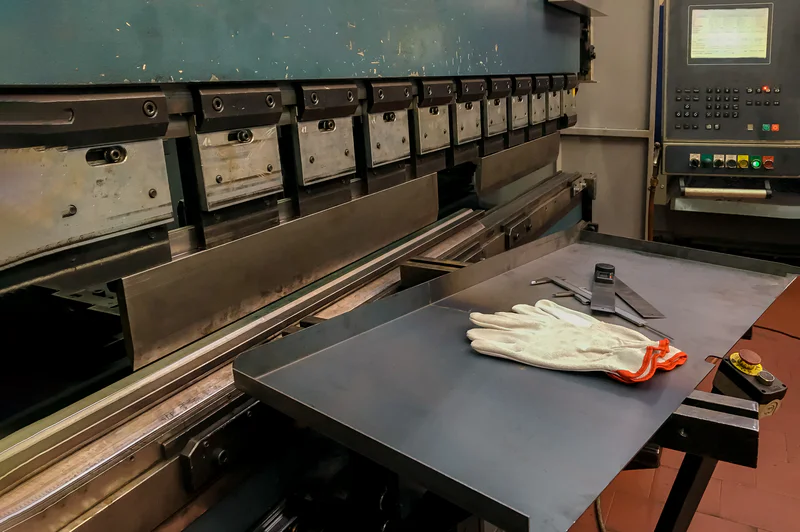
A "cheap" machine that needs constant fixes ends up costing more than buying right the first time.
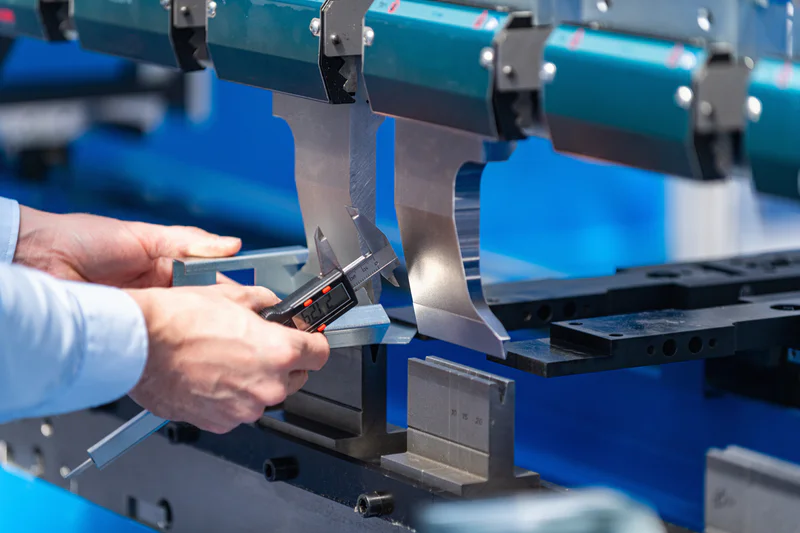
Stretch the budget for new, or save with used? You need an honest answer — not a sales push.
Most of the risk in buying used machines comes from not knowing enough before you decide. What matters isn't just the machine itself — it's whether you can understand its condition, see how it performs, and know what to expect after it arrives.
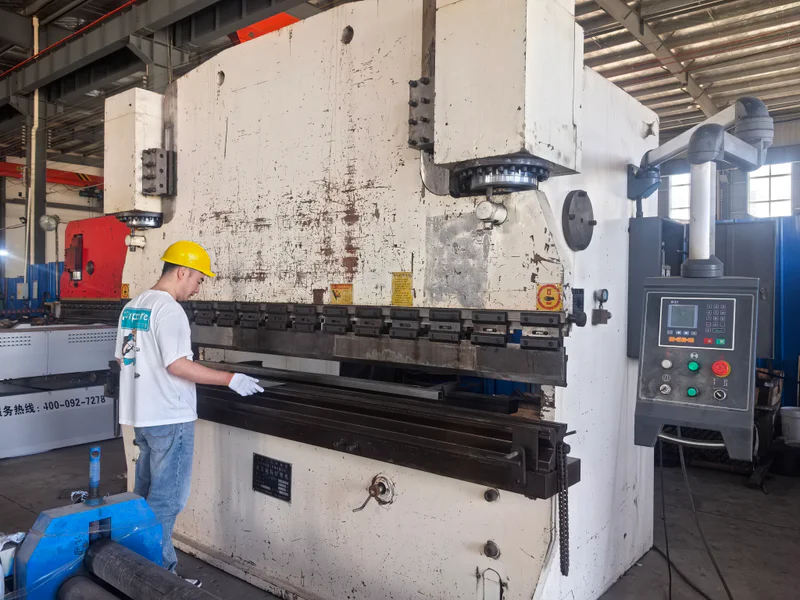
See It Before You Commit
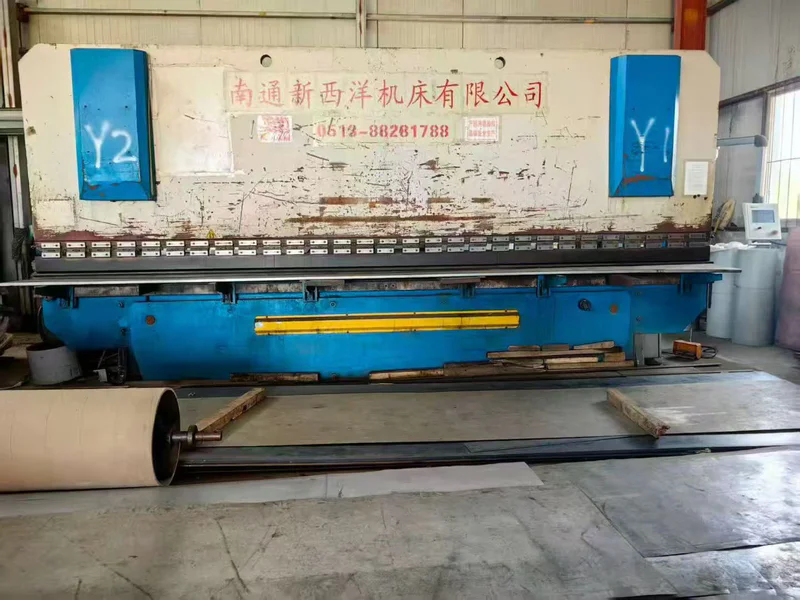
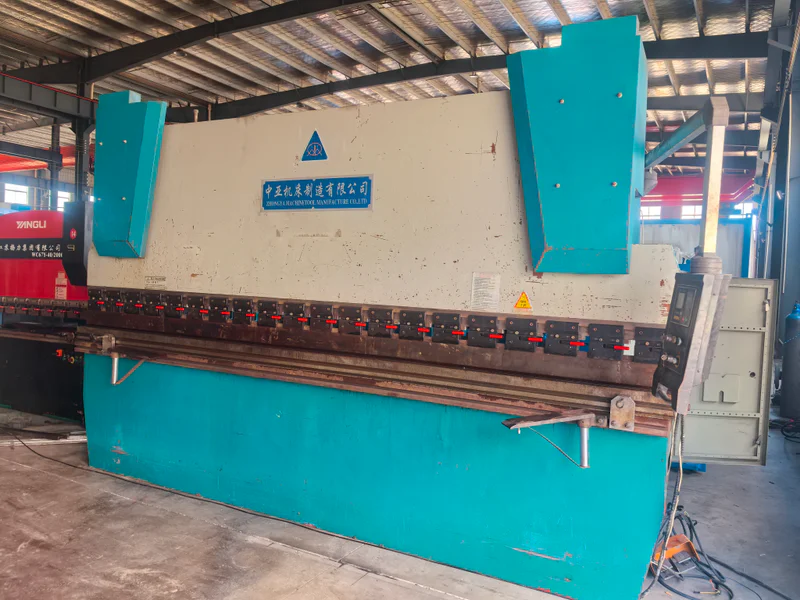
Real workshop, real condition — captured before you decide
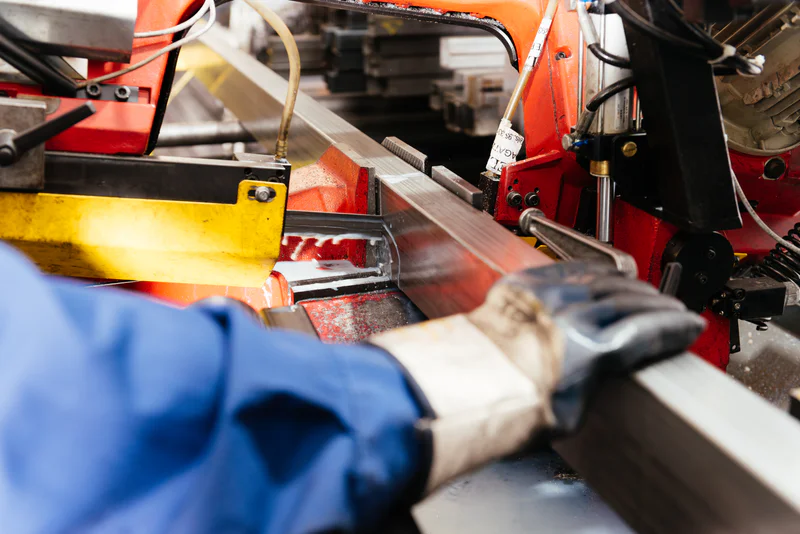
You don't have to choose based on limited information. Look at machines across different types, compare how they're used, and get a clearer idea of what fits your work.
Swipe to see more
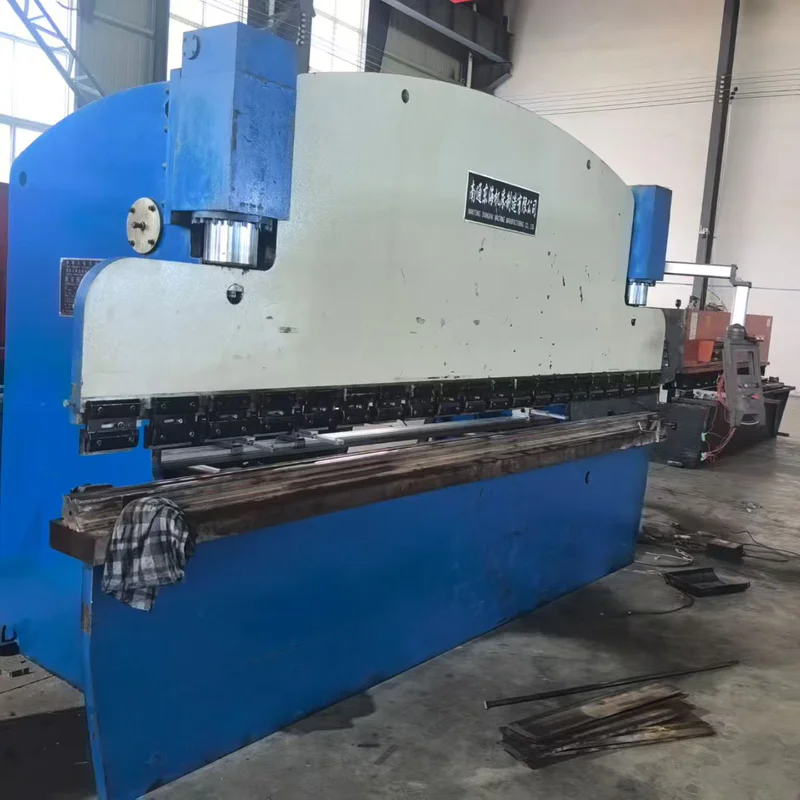
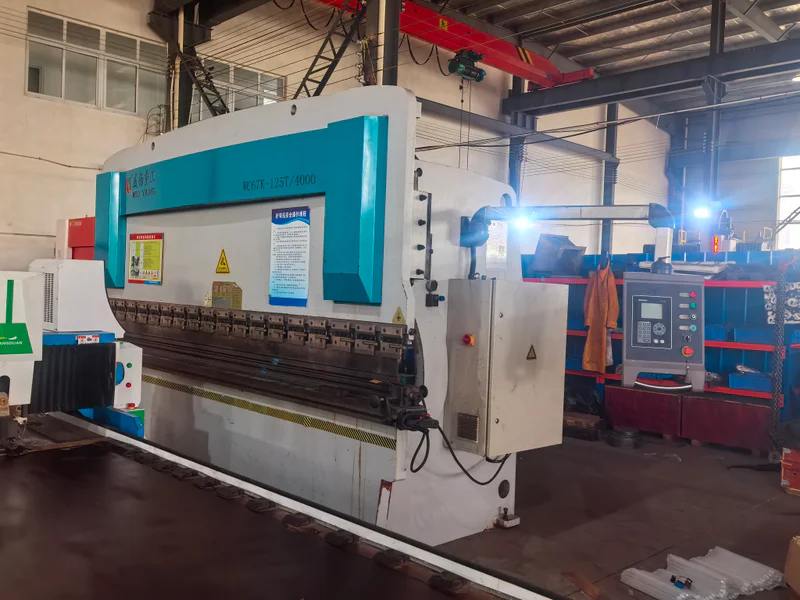
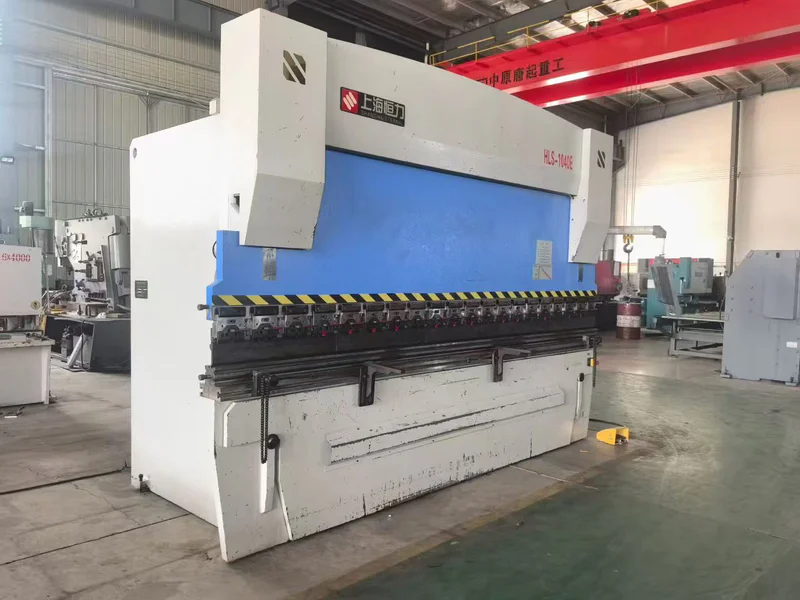
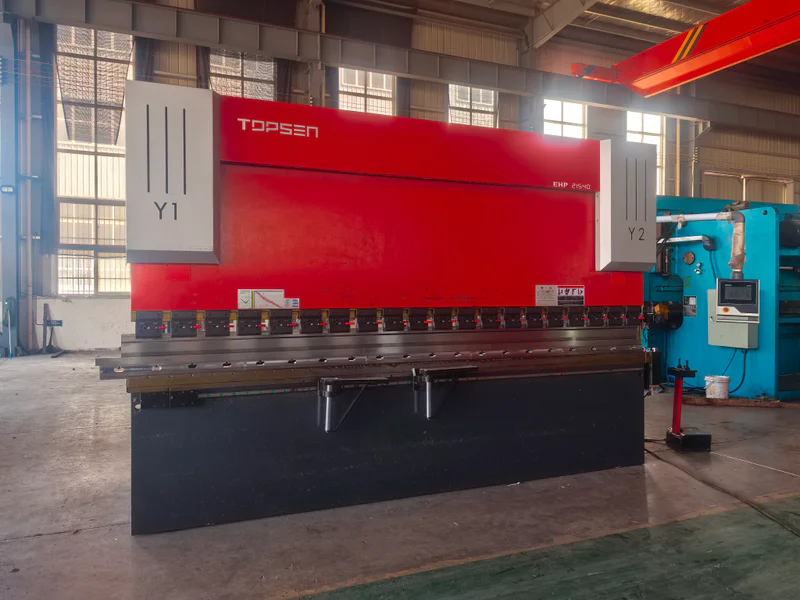
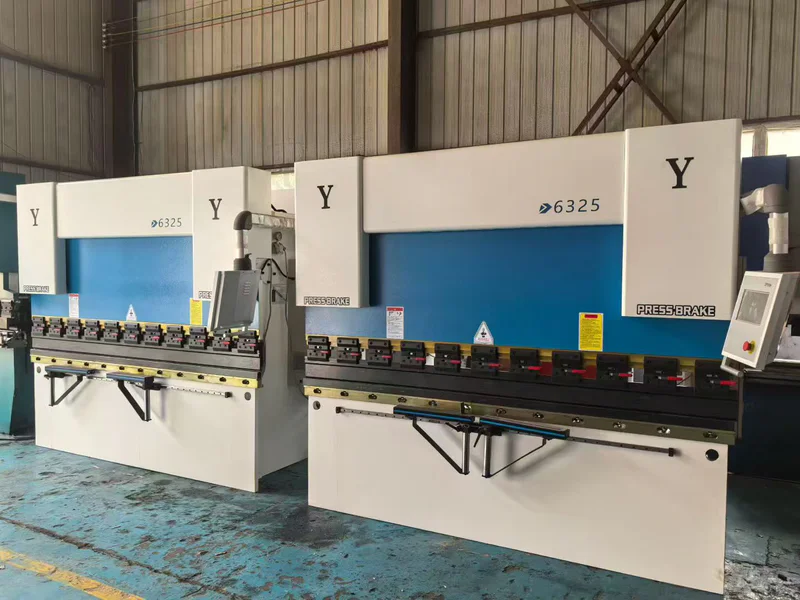
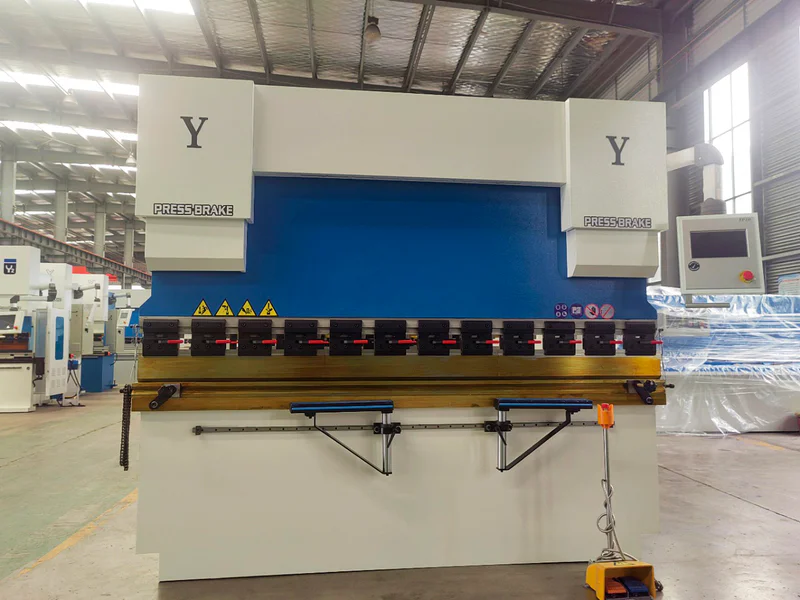
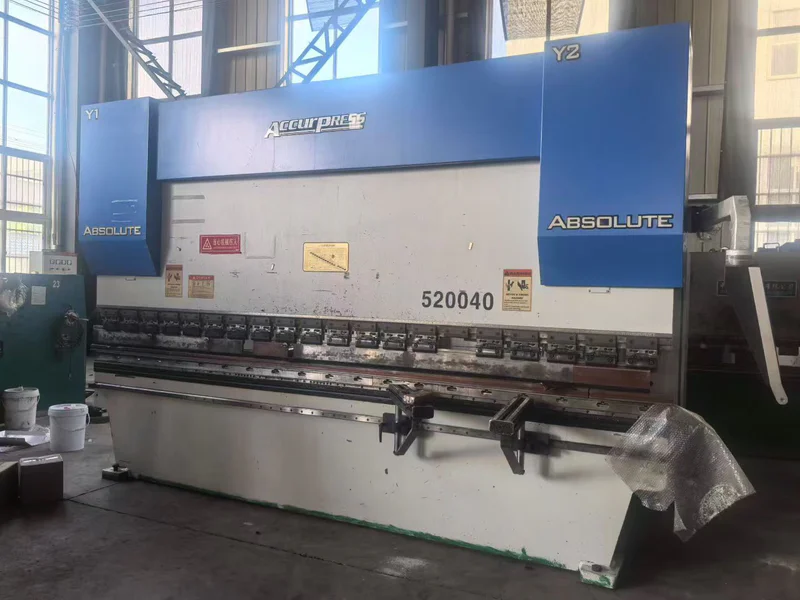
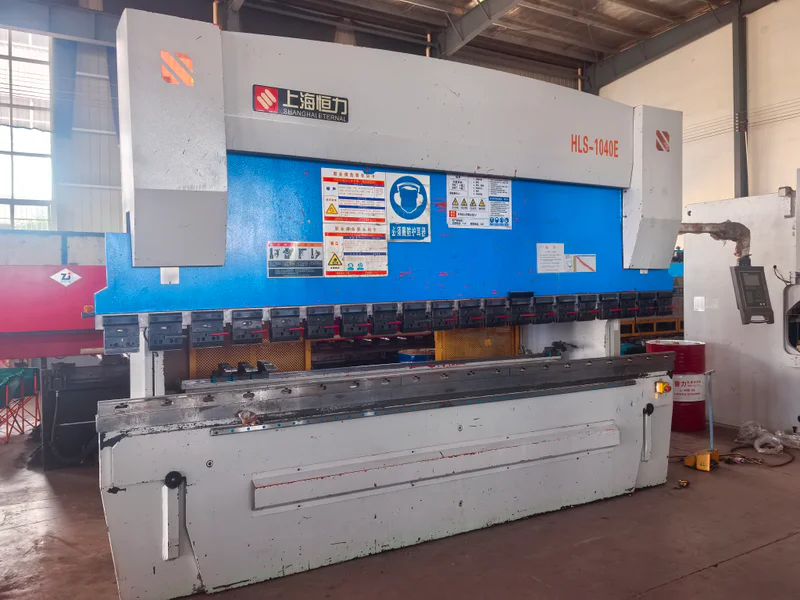
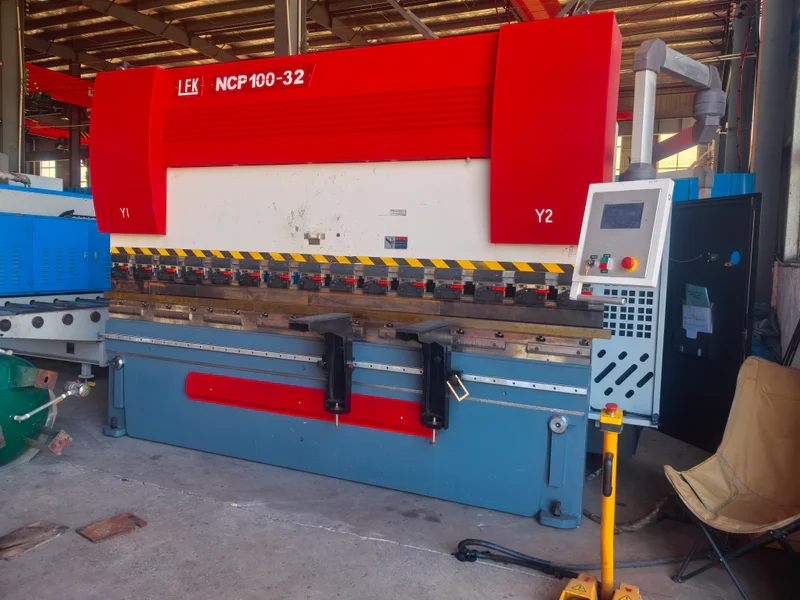
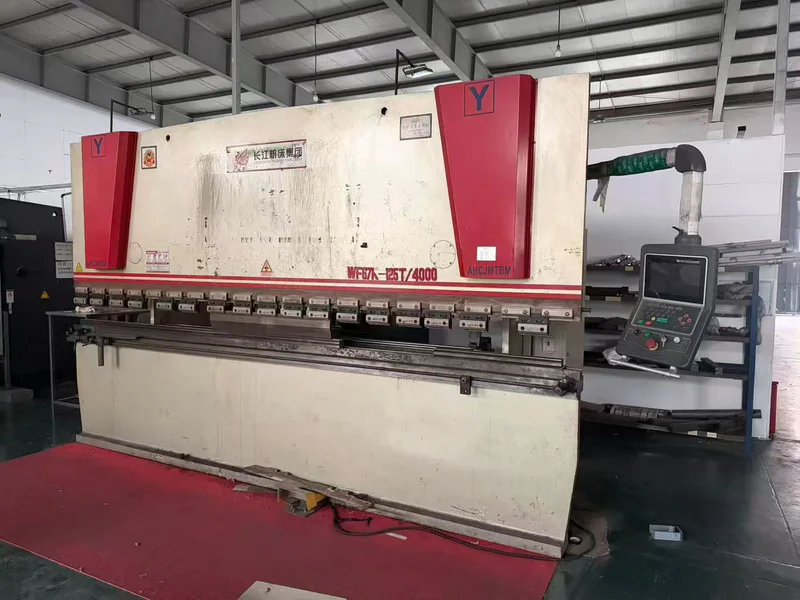
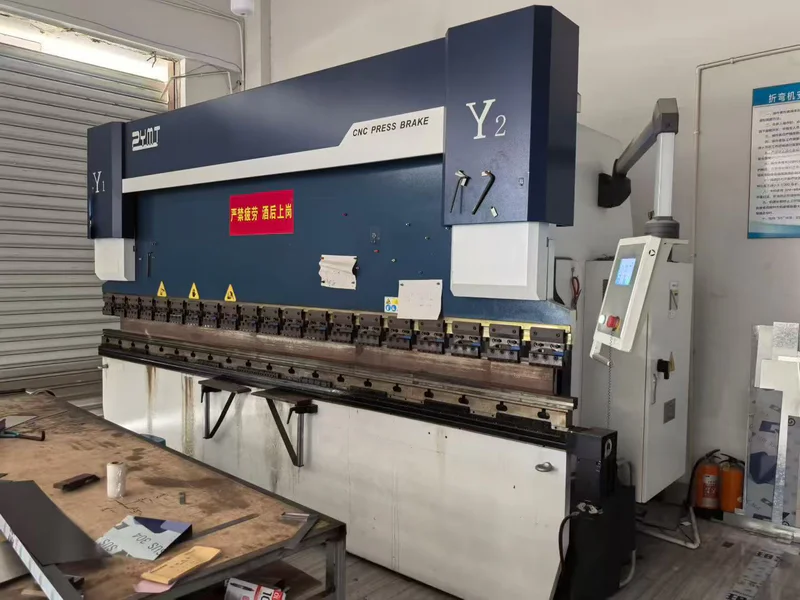
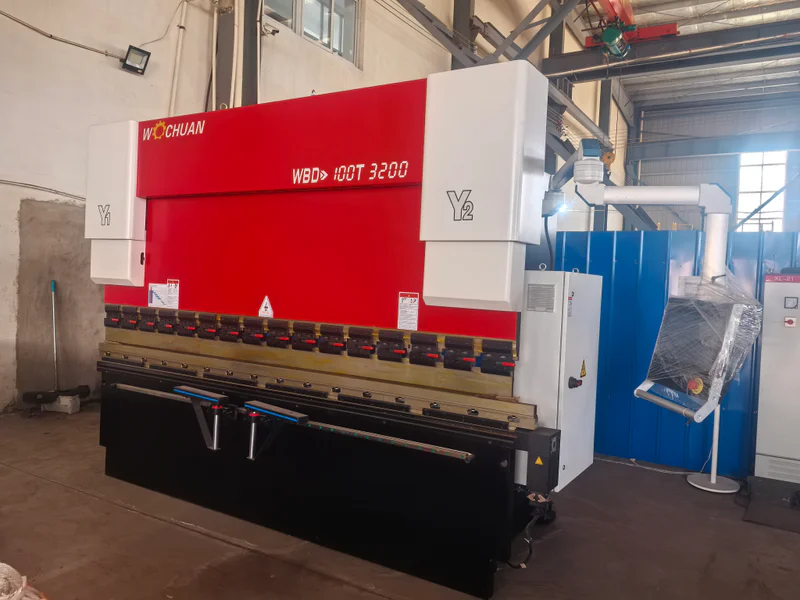
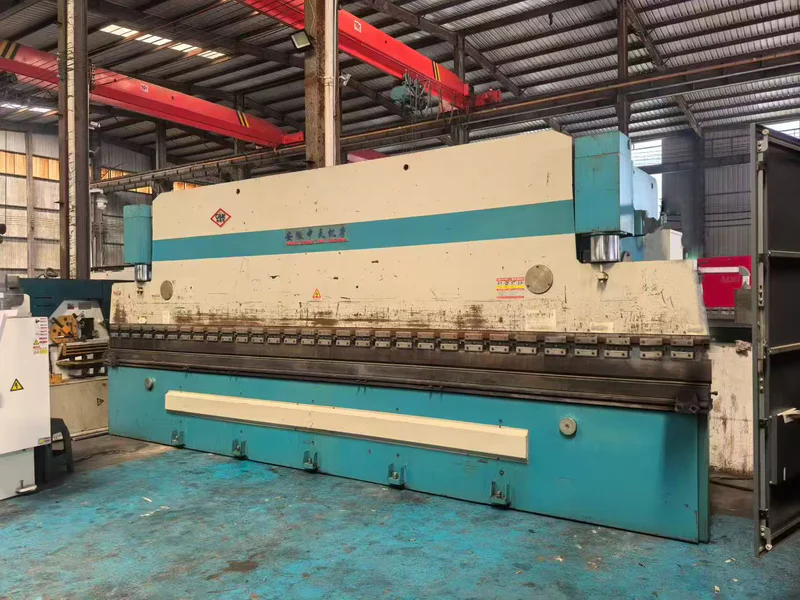
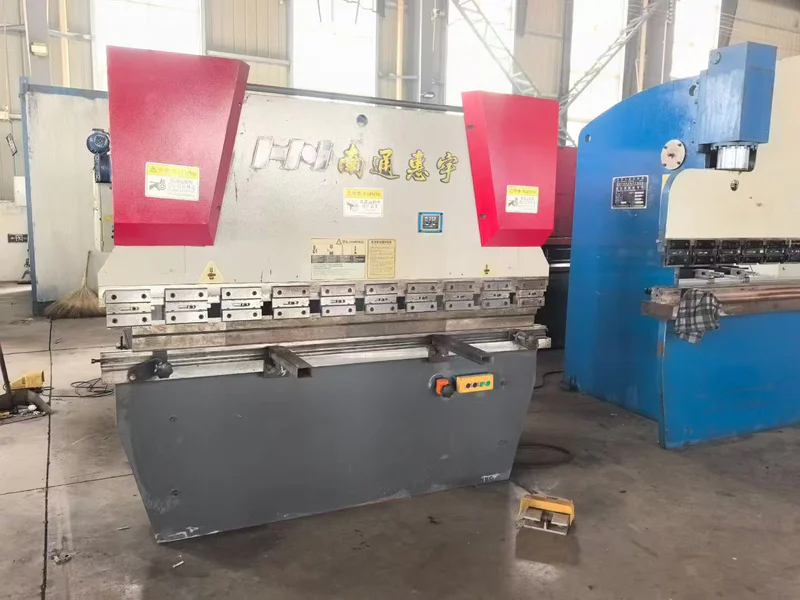
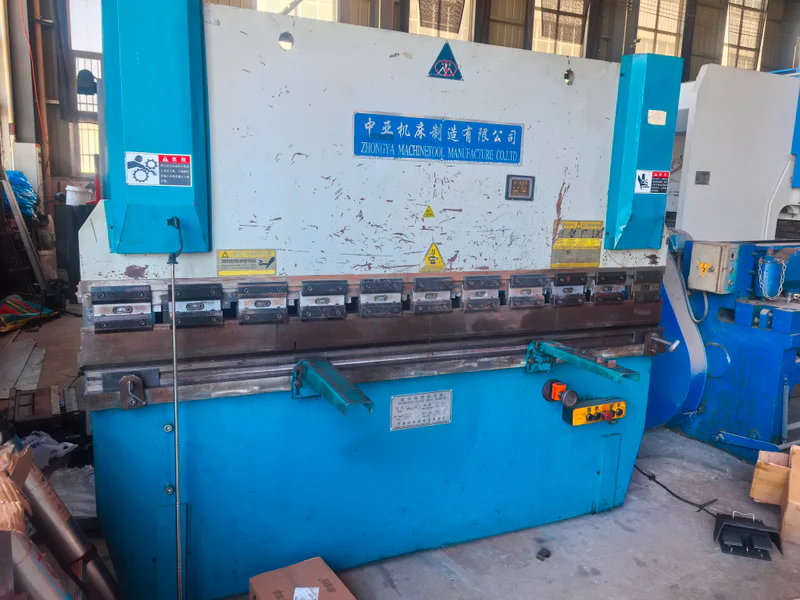
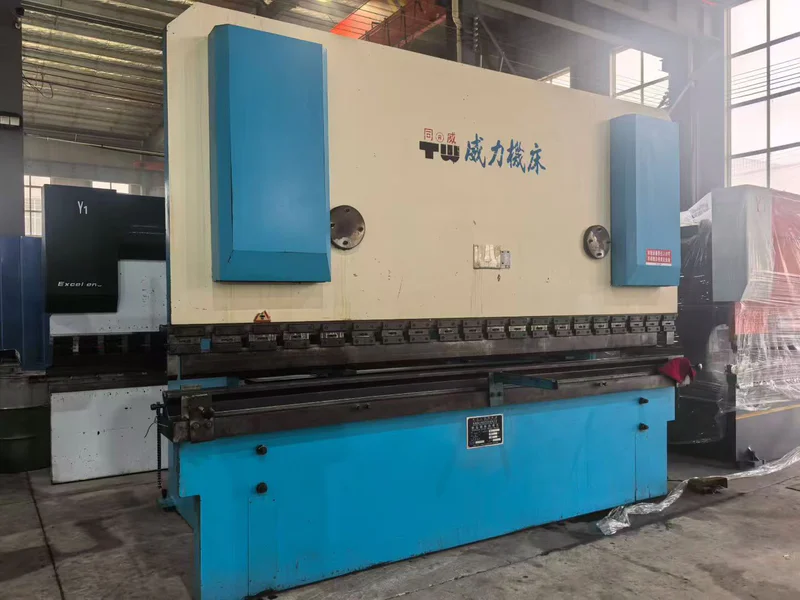
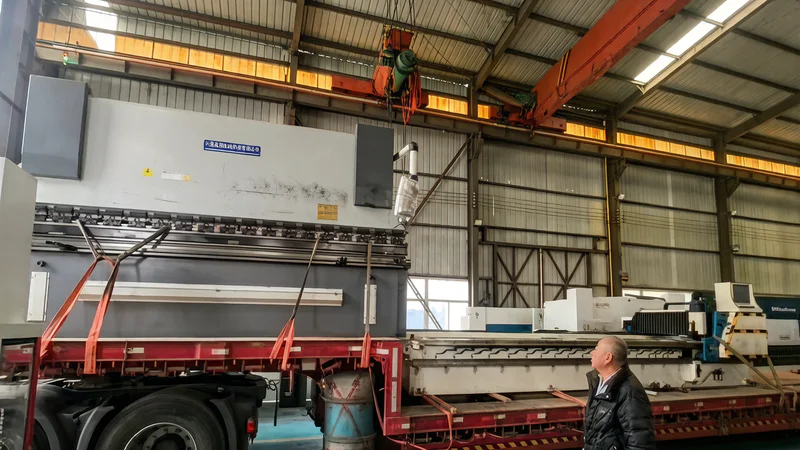
One of the biggest concerns with used equipment is whether the machine you receive is the same one you saw. Being able to follow the process — from inspection to loading — makes the whole decision feel much more certain.
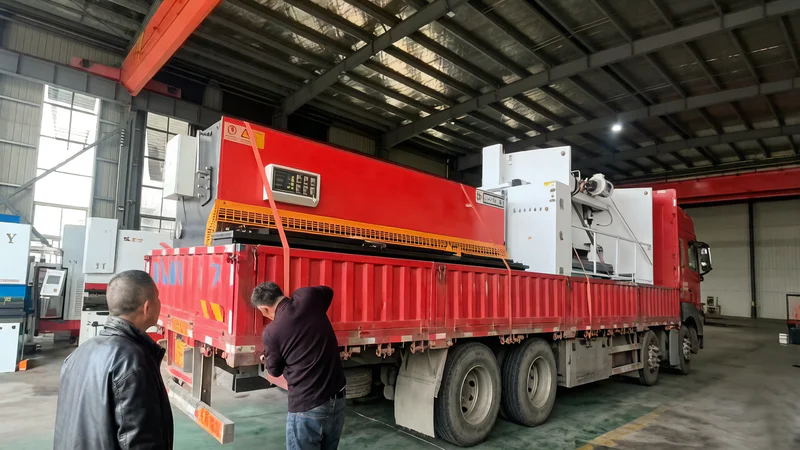
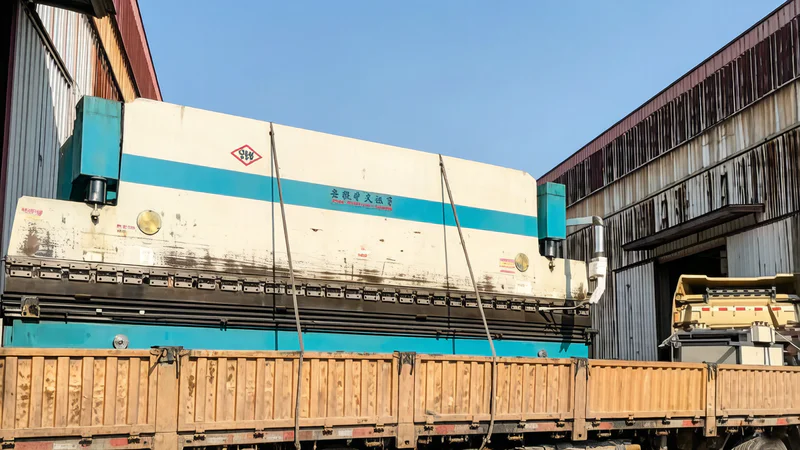
Buying the machine is only part of the process. What matters more is how quickly you can get it running — and what happens if something doesn't work as expected.
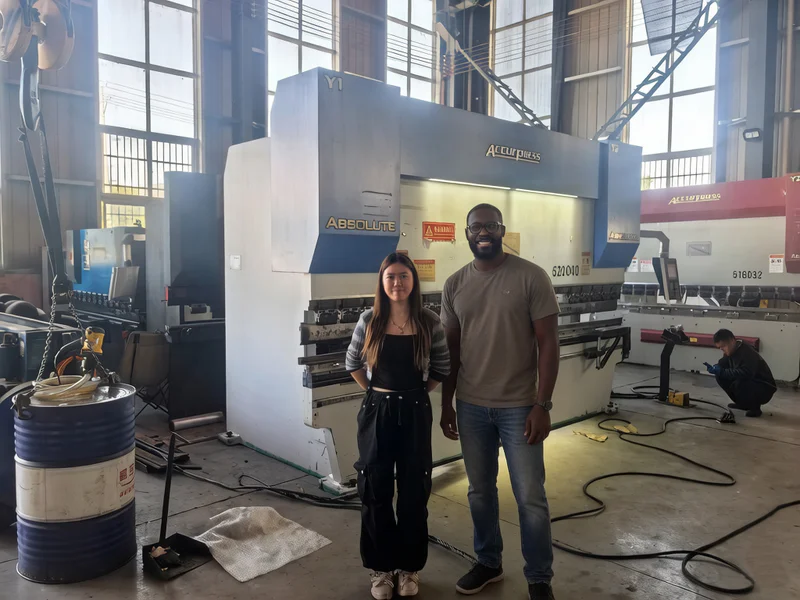
For many buyers, the first challenge comes after delivery. Walk through installation and system setup together — so you start production faster, not slower.
The biggest delays usually come from not knowing where to start. We help you check, understand, and narrow down the issue — so downtime stays short.
Unfamiliar control systems can feel intimidating at first. A short introduction helps your team get comfortable — and the machine starts feeling like part of the workflow.
Many issues can be avoided before they happen. Stable, well-maintained machines simply create fewer headaches — which is why the selection stage matters as much as the support after.
Different buyers face different challenges, especially when working with used equipment.
You may need more time to understand the system. Having someone walk you through the basics makes it much easier to get started.
Delays usually come from setup and unfamiliar operation. Clear guidance helps you move from installation to production with less downtime.
Some machines require more attention than others. Choosing the right one from the beginning often avoids many problems later.
It's not just about the purchase price. Understanding maintenance, usage, and stability helps you keep overall costs under control.
Before you move forward, it's natural to want a clearer picture of what to expect. Here are some of the questions buyers usually ask at this stage.
This is one of the most common concerns. You can review the machine during testing, see how it runs, and follow the process through loading and shipment — so what you check before shipment is exactly what gets delivered to your facility.
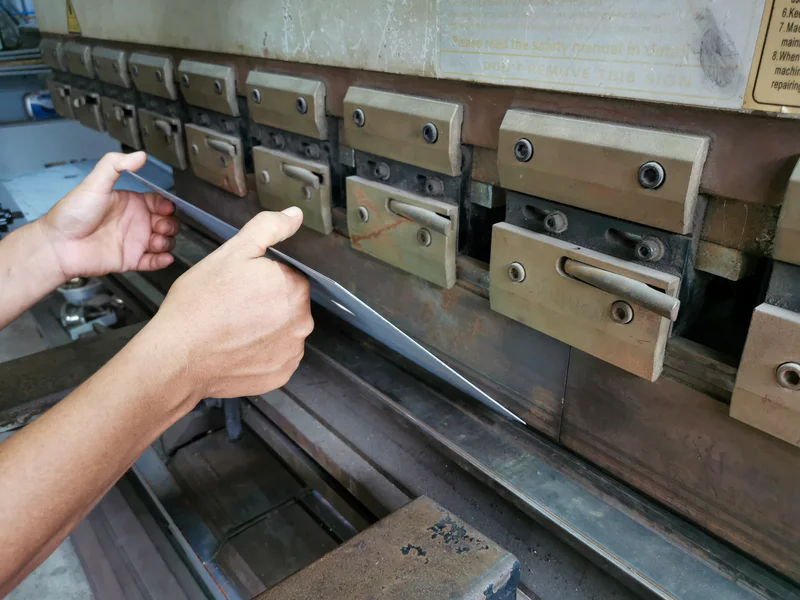
Yes — that's usually how buyers feel more confident. Watching the machine run, bending real material, and showing actual movement and response gives you a much clearer picture than photos or specs alone.
That's quite common, especially with different control systems. You don't need to figure everything out alone — with proper guidance, most buyers get the machine running step by step, without weeks of trial and error.
Even a good machine can have issues over time. What makes the difference is being able to identify the problem and handle it early, instead of letting it affect production. Having guidance at that point often saves time and avoids unnecessary downtime.
The main difference comes from how much you can verify before deciding. Seeing the machine run, reviewing the details, and understanding its real condition significantly reduces the chance of unexpected issues showing up later.
That depends on the condition and how it has been used previously. When you can see how the machine performs — not just how it looks — it becomes much easier to judge whether it actually fits your production needs.
It usually comes down to your current production needs and budget. Some buyers prefer to start with a used machine to control cost, while others look for newer options depending on workload, expansion plans, and how much risk they want to take on.
That's actually very common. Start from what you're producing — material, thickness, and volume — then narrow down from there. Choosing based on your actual application is much more reliable than picking a model name and hoping it fits.
You don't have to search and compare machines on your own. Describe your requirement — then review options that fit your production, budget, and application.
Even if you only have part of the information, send your inquiry first. I'll guide you from there.

What you can send
Reply within 1 hour
During working hours
Fill in a few details and I'll send you matching machine options within 1 hour.